For Those Who Came Before: Honoring UU Activists and Resistors Through the Ages
Rev. Lori’s Sermon from January 11th, 2026
Friends, we gather today in the company of giants—some whose names we know, and many whose names history forgot.
We gather with the memory of Unitarian and Universalist activists, and with the memory of all those across the world who stood against injustice with nothing more than courage, clarity, and love. We gather to consider how our values shaped them—and still shape us. We gather to consider how these values, in shaping our lives, have shaped our communities, our society, and our world.
I want to begin with a simple truth:
We are not the first to face times like these.
We come from people who resisted. We come from people who organized, marched, wrote, hoped, protested, sheltered, challenged, created, and carried the torch forward for the sake of love.
And today, we honor them—not to place them on pedestals, but to remember that we belong to them, and that the work they carried is now entrusted to us.
That is one thing: considering those who came before and what they faced hopefully reminds us that we are not alone in struggle—and that what we have here prepares us, just as it prepared those before us. Our heroes inspire us.
But truly, it is much more than that. Wise words were shared with me recently, which I want to hold up and credit to Tim Black:
“When we study the biographies of our heroes, we find that most of their lives were spent in quiet preparation—doing tiny, decent things—until one historic moment catapulted them to center stage and caused them to tilt empires.”
Tiny, decent things do, in fact, change the world—because they change us and those around us. It is always opportunity, and often privilege, that prepares us for greater things. But please hold onto those words: the tiny decent thing—the thing that reflects justice, mercy, peace, and, of course, love.
A Bit of History
I want to take this chance for a bit of a history lesson—a reminder for long-timers and newcomers alike, and a way to build upon the stories told in our books.
Our UU forebears were activists—not heroes—and they are our ancestors.
We are linked to them, threaded to them by our common belief in the inherent worth and dignity of all humans and in the power of the democratic process.
We often speak of activists as if they were superhuman:
Rosa Parks refusing to give up her seat,
Harriet Tubman freeing the enslaved,
Greta Thunberg challenging nations,
Malala Yousafzai risking her life for education.
But the truth is—First…they spent their lives doing those tiny decent things and then those ordinary people encountering uncommon and untenable things, at a particular moment, said “Not this. Not anymore.” They were people with day jobs, families, and fears—people who were tired, scared, uncertain, and under-resourced. People who made mistakes, doubted themselves, and kept going anyway.
The people I just named are not all UUs, but they are our people—living out principles and values that we hold dear.
These are the kinds of people we come from. This is our Unitarian Universalist lineage.
UUs Who Changed the World
Our faith tradition has long been a well that nurtured justice seekers.
Let me name some of our ancestors, so we can feel the ground they prepared beneath our feet—UUs who helped form our democracy on principles of freedom and equality.
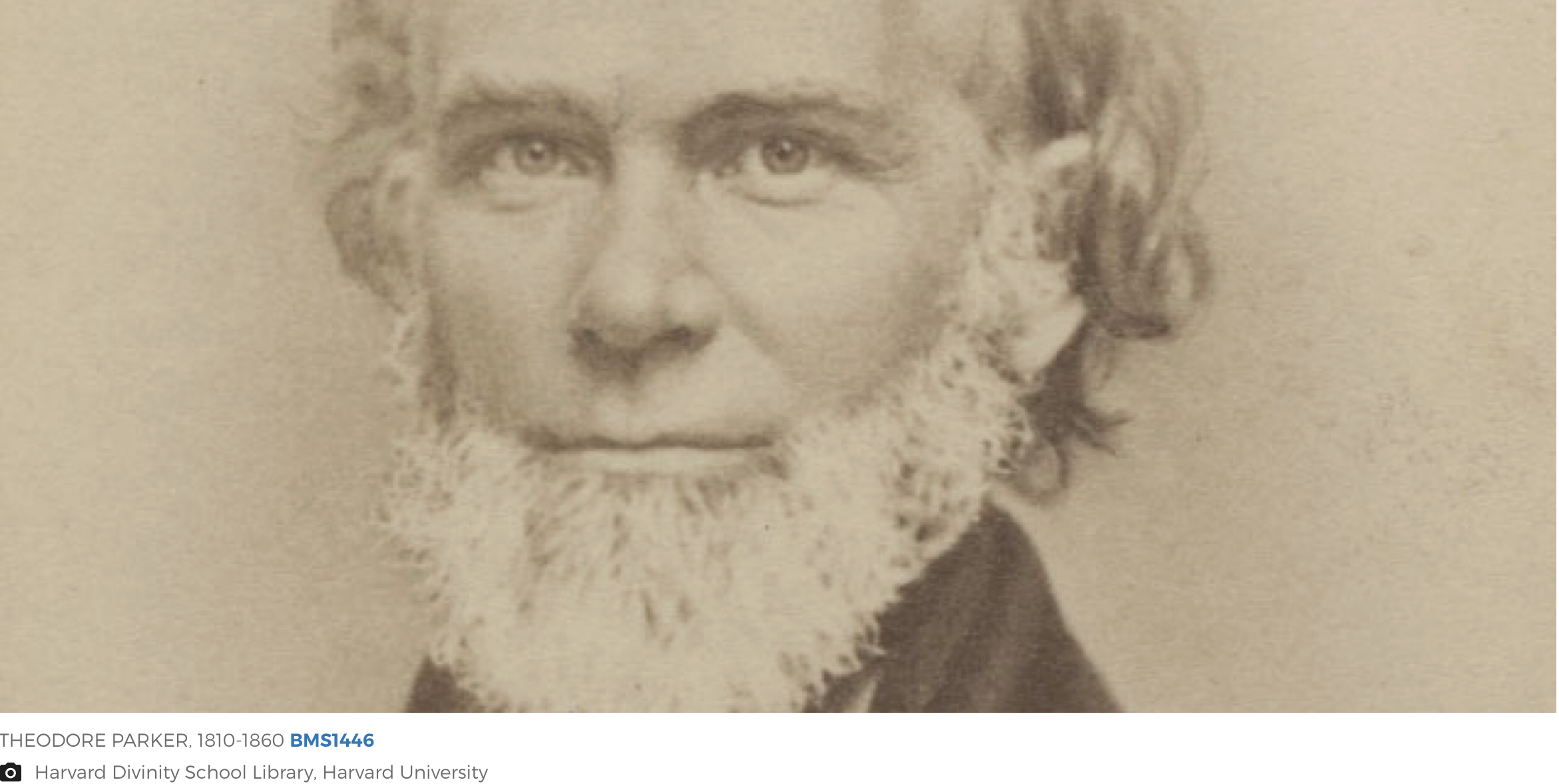
Theodore Parker
A 19th-century Unitarian minister who spent decades preaching against slavery. Parker’s home was a stop on the Underground Railroad. He sheltered people escaping slavery, armed himself to protect them, and organized networks of resistance.
It was Parker who first wrote:
“The arc of the moral universe is long, but it bends toward justice.”
A century later, Dr. King carried those words into the Civil Rights Movement.
Remember him.
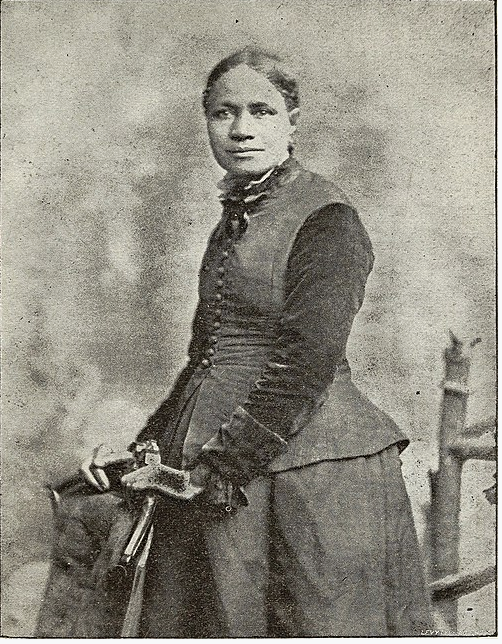
Frances Ellen Watkins Harper
A Black Unitarian poet, suffragist, abolitionist, and lecturer. She spoke courageously about racial and gender justice at a time when doing so was dangerous. Harper reminded us:
“We are all bound together in one great bundle of humanity.”
Remember her.
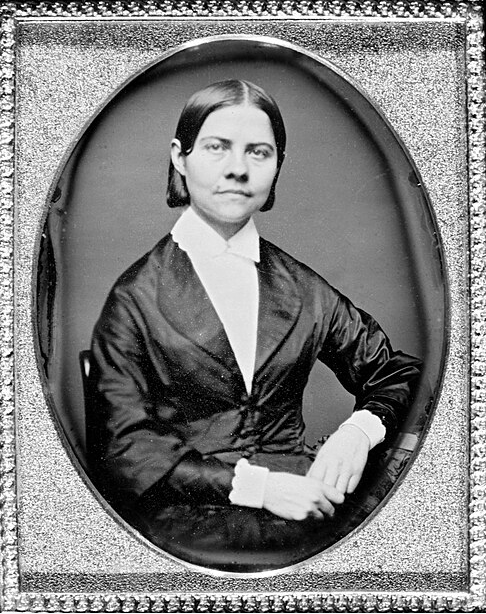
Lucy Stone
One of the first women to keep her own name after marriage—a scandal in her time. She co-founded the American Equal Rights Association and believed that liberation must be shared, or it isn’t liberation at all.
We are liberation people.
Remember her.
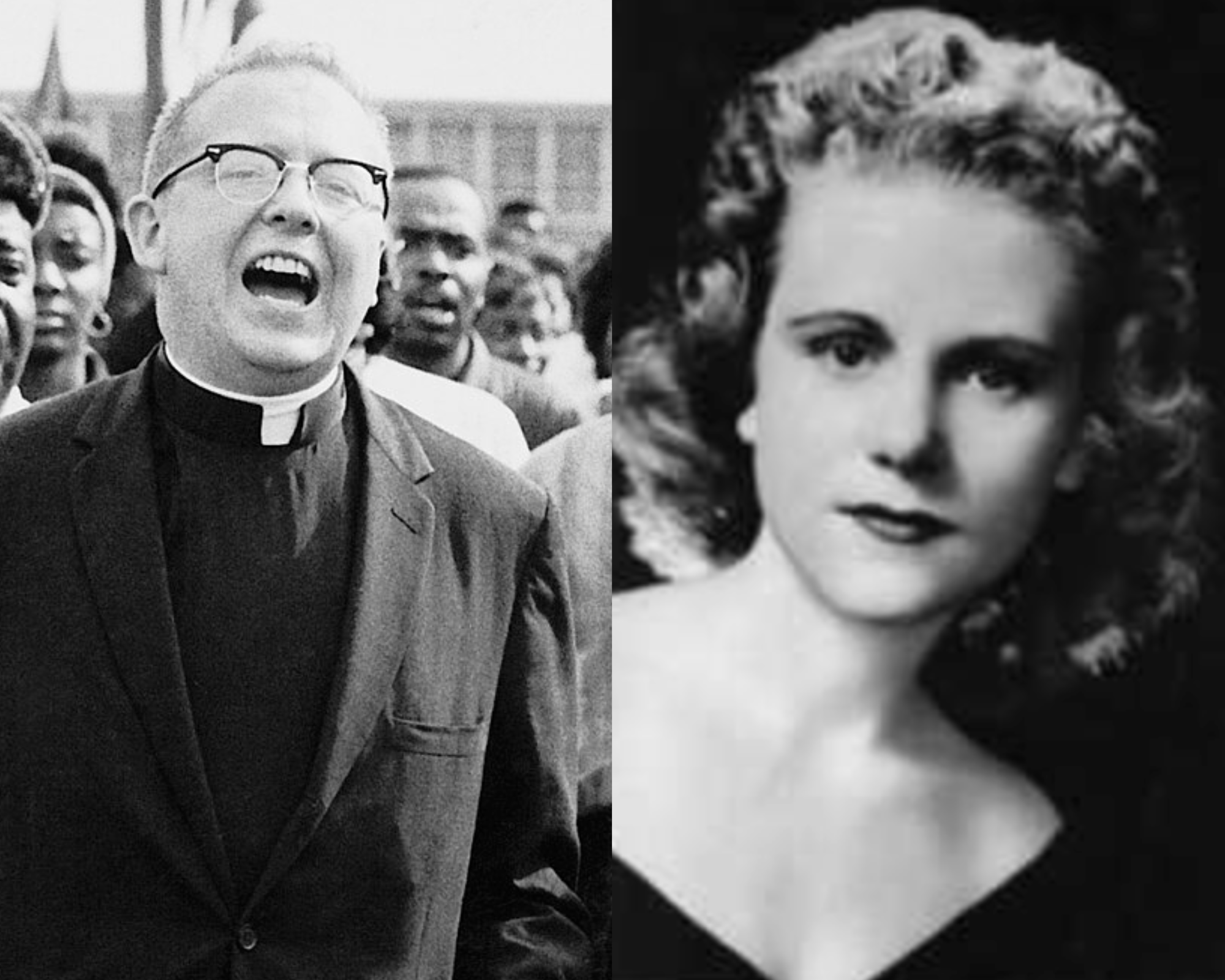
James Reeb and Viola Liuzzo
Two UUs who answered Dr. King’s call to Selma. Reeb was murdered by white supremacists. Liuzzo, a UU mother from Detroit, was shot while driving civil rights volunteers. They did not see themselves as heroes—they simply heard the call and said “yes.”
Remember them.
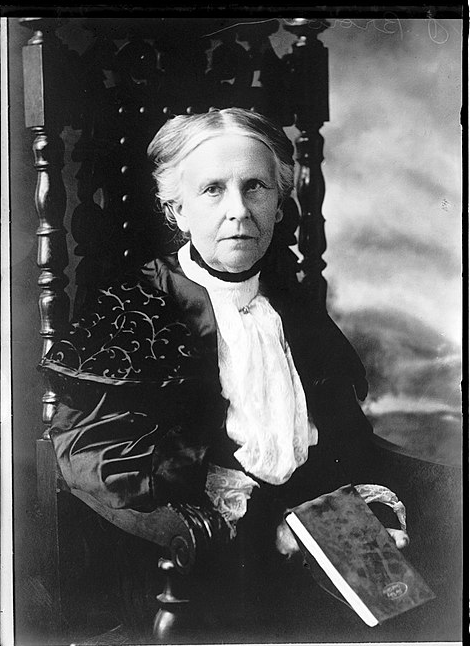
Rev. Olympia Brown
The first woman ordained by a denomination in the U.S.—the Universalists. She preached tirelessly for women’s suffrage and equal rights. Her ministry was not only spiritual; it was profoundly political.
While I try to avoid politics from the pulpit, our principles fed the formation of our country, just as the Constitution feeds our principles. Olympia Brown reminds us that justice, mercy, and peace are political.
Remember her.
There are, of course, others—some even among our country’s founders—who shaped this nation according to principles we now call UU values.
Our principles reflect the true law of the land, and the law of the land reflects our principles and values.
A Contemporary Example: Judge Timothy Black
Someone here, in our own pews, stands in that same lineage.
District Court Judge Timothy Black.
He knows I was going to “go there today”—and I am.
Obergefell v. Hodges was the 2015 U.S. Supreme Court decision that legalized same-sex marriage nationwide. The case began right here, in Judge Timothy Black’s courtroom.
His ruling in the case of Obergefell v. Kasich laid the foundation for the decision that changed the nation. His judgment recognized the dignity and equality of same-sex couples under the law, grounded in both compassion and constitutional principle.
That ruling was upheld—and the fundamental right to marry was affirmed for all.
I know Tim’s justice-seeking heart and compassion don’t end there. His commitment extends deeply into this community. He had the privilege of education and opportunity, yes—but he also had UU foundational principles and values, and he held our chalice high to extend justice and equality in a transformative way.
And as he reminds us—it all starts and ends with the tiny decent thing.
What Makes an Activist?
So—we are a beloved community, made up of activists acting first and foremost out of love, doing tiny, decent things.
But what connects all these people?
Not perfection.
Not fearlessness.
Not certainty.
They were flawed, afraid, uncertain—and yet they felt the tug of conscience and answered it.
They felt the call of love and followed it.
They felt responsibility to something bigger than themselves and acted—even when the outcome was unclear, even when things were uncomfortable or hard.
Courage, in their lives, was not a moment—it was a practice. A practice of waking up, choosing compassion, choosing justice, choosing to try.
Our Lineage Calls to Us
Their story is our story.
Many here worked hard on the marriage campaign. I came out of seminary and worked for the Religious Coalition Against Discrimination in York County, sitting with evangelical ministers who didn’t even recognize my authority as a female minister, let alone embrace the message of love and inclusion I carried.
Many of you here worked tirelessly on the marriage campaign and continue to lift up our UU voices through MUUSAN and other justice efforts.
We are the inheritors of the work of those who came before. And we are also the continuation of it.
There will come a time when people look back and ask:
Who stood up for democracy?
Who protected the Earth?
Who fought for trans youth?
Who defended the vulnerable?
Who insisted on truth?
Who showed compassion when cruelty was fashionable?
And the answer we hope future generations will speak with gratitude is this:
“We did. The people gathered in communities like this one did.”
The lineage of courage is not abstract—it is alive, in this community, in this room.
How We Honor the Ancestors of Justice
We honor them by showing up.
By educating ourselves.
By protecting those targeted by hate.
By writing letters, showing up at school boards, voting, marching, donating, caring for neighbors and one another, feeding the hungry, speaking truth—with love—refusing to give up, and choosing joy as a form of resistance.
We honor them not by becoming them, but by being fully who we are—committed, courageous, imperfect, persistent.
Let’s remember: they were ordinary people who made an extraordinary impact.
So are we.
The Quiet Stories
Let me close with a few quieter stories—because not all activists are famous.
There was a UU woman in the 1940s who housed Jewish refugees in her attic. No one knew until she died.
There was a black church custodian in Alabama who, after working all night, went out to sweep the steps before the marchers arrived—because he wanted the movement to have a clean start.
There was a grandmother in Argentina, one of the Mothers of the Plaza de Mayo, who marched every week with a picture of her disappeared child. She said, “I march so other children will not disappear.”
There was a UU teenager last year who organized a vigil after violence struck her town. She said, “I want us to love louder than those who hate.”
History is only partially moved by great leaders. It is mostly moved by the accumulation of thousands of tiny, decent acts—including yours, and including mine.
We Are the Next Link
So today, let us remember:nThe story of resistance is not finished. We are writing the next chapter.
May the courage of our ancestors be our inheritance.
May the clarity of prophets be our guide.
May the resilience of marchers strengthen our steps.
May the tenderness of healers soften our hearts.
May the vision of dreamers widen our hope.
May the doers and keepers of justice remind us who we are—in these walls and beyond them.
And may we live so that future generations will say:
“They were there.
They stood up.
They loved this world fiercely.
And because of them, the torch still burns.”
When we study the biographies of our heroes, we find that most of their lives were spent in quiet preparation—doing tiny, decent things—until one historic moment catapulted them to center stage and caused them to tilt empires.
Perhaps that moment will come for one of us—or for all of us. But the UU values that shine in the Obergefell decision shine in each of us, through the tiny things we do.
And those tiny things aren’t really so tiny after all.
Let us continue to love the world fiercely—in all the ways, tiny and ginormous—and keep our torch alight for all to see.
I am clearly a fan of Tim—but here is the absolute truth: I am a huge fan of all of you.
You show up in the ways you can, and do things in service of others. Our values and principles shine through you every day. I am in awe, and I am grateful—for you, for the tiny decent things, and for the love that holds us all.
Amen, and blessed be.