Easter Sermon: Rolling Away the Stone-The Courage To Begin Again
Rev. Lori’s Easter Sermon on April 5th, 2026
The Peace of Wild Things-Wendell Berry
When despair for the world grows in me
and I wake in the night at the least sound
in fear of what my life and my children’s lives may be,
I go and lie down where the wood drake
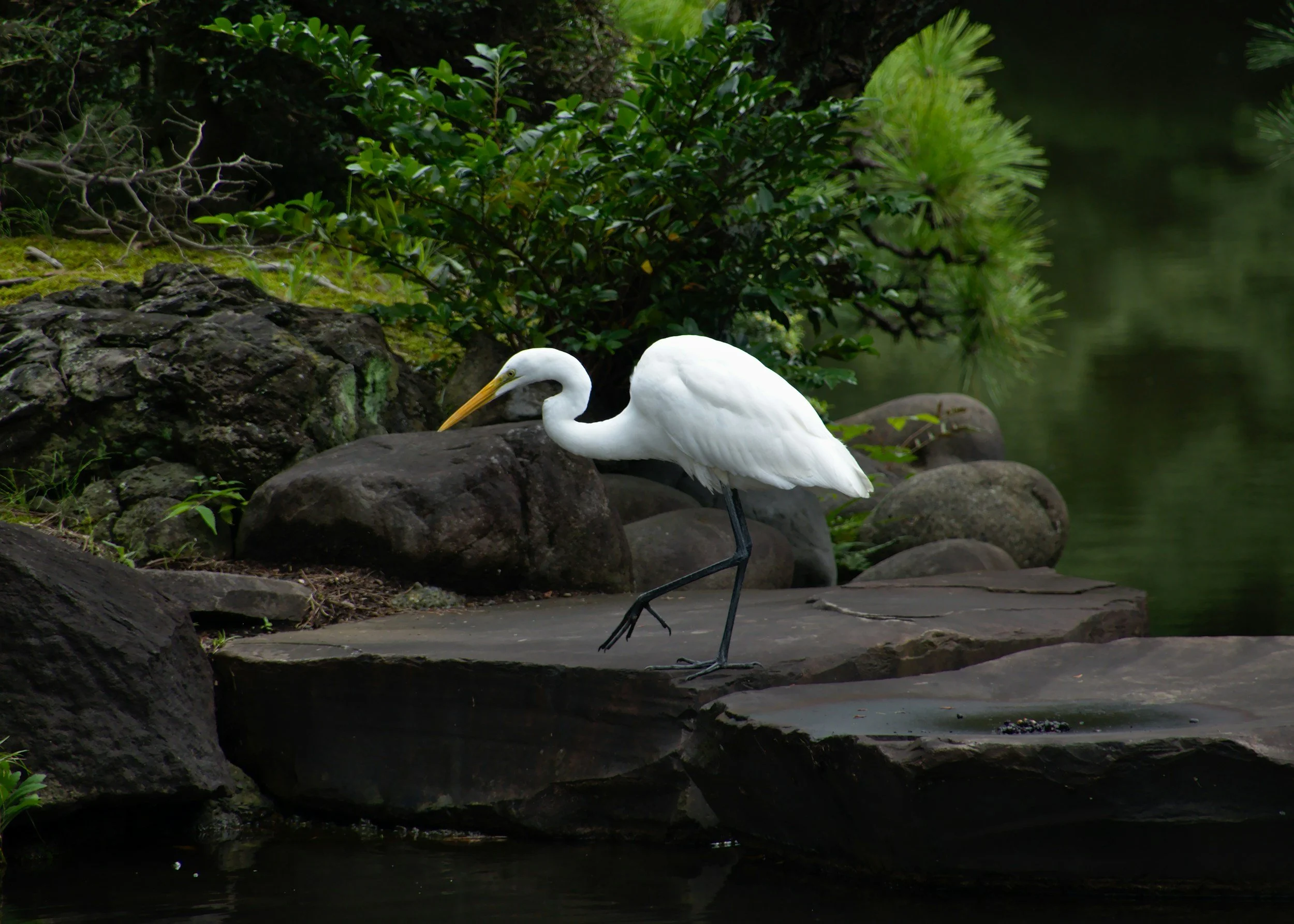
rests in his beauty on the water, and the great heron feeds.
I come into the peace of wild things
who do not tax their lives with forethought
of grief. I come into the presence of still water.
And I feel above me the day-blind stars
waiting with their light. For a time
I rest in the grace of the world, and am free.
The Easter story begins in grief.
It begins in fear, in loss, in the sense that hope itself has been sealed away.
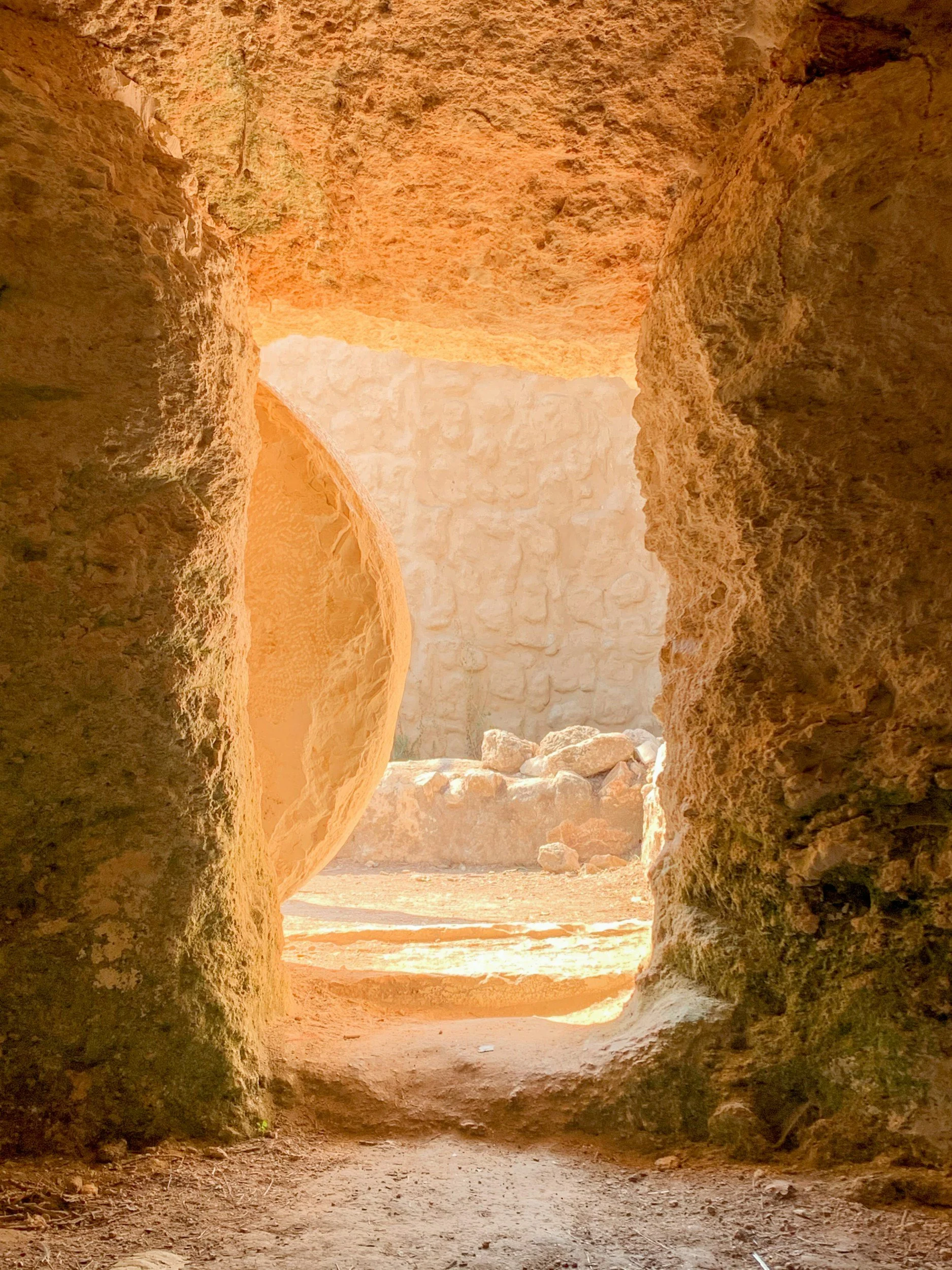
The stone is not just across the tomb—
it is across the future.
And yet—
the story does not end there.
In the UU tradition, we don’t ask whether the resurrection happened literally.
We ask:
Where is resurrection happening now?
It happens when:
A person who has known despair chooses life again.
A community dares to love after heartbreak.
Justice movements rise after long silence.
We forgive.
We begin again.
We choose to step forward in faith without knowing.
Resurrection is not about escaping death.
It is about transformation.

The caterpillar does not go back to being a caterpillar.
The bulb does not return to being a bulb.
We are not called to return to who we once were—
we are called to become.
And this is the risk of Easter:
New life asks something of us.
To step out of old identities.
To release what has been familiar.
To trust what we cannot yet see.
The women came to the tomb expecting to tend to death.
Instead, they were given a question:
"Why do you look for the living among the dead?"
This is the Easter question for our lives:
Why do we look for our future in places that are already closed?
Why do we assume the story is finished when it is only changing form?
Easter tells us:
The stone can be moved.
The garden is still growing.
Love is not finished with us yet.
And the most UU truth of all:
Resurrection is not a one-time miracle.
It is a daily practice.
Every morning we are invited to begin again.
Quick UU history moment:
William Ellery Channing (1780–1842) was the leading theologian and preacher of early 19th-century American Unitarianism. Known as the "Apostle of Unitarianism," he was central to the shift from rigid Calvinist doctrines toward a more liberal, rational faith that emphasized the inherent goodness and perfectibility of human nature. And that is why William Ellery Channing matters on this day.
Channing did not build his faith on escape from the human condition.
He built it on a radical trust in the unfolding power of the human soul.
Not on sin or unworthiness, but on love and possibility.
He wrote that we are “created for progress in truth and goodness.”
Created for progress.
Created for becoming.
Created for resurrection.
Which means the stone is never the end of the story.
Every year the earth tells us this:
The ground looks lifeless.
The trees appear brown, dead, and empty.
And yet beneath the surface—life is at work.

Channing trusted that same hidden process in us.
He believed there is within every person a spark that cannot be permanently buried.
And that is resurrection in Unitarian Universalist language.
I saw and see this kind of resurrection not long ago—
in our life together in this community and in this country.
I see it in the coffee house that provides safe and nurturing space for artists,
in wellness Wednesdays that bring healing and joy.
People in our community—and many more than just a couple of you—say:
The story has not ended. The stone is rolled away.
In this country, there are thousands and thousands of people who march, who show up, who say the names of the victims, who call for an end to injustice.
Resurrection.
Why?
Because they care—a lot.
And for those who gather at No Kings Rallies, drive new Mainers to work, or make kits for the unhoused—you are the resurrection of hope, of courage, of compassion.
Some people have stepped back from everything:
No meetings.
No actions.
No conversations.
“I just need to protect my heart,” or “I am tired, I have done all this before.”
And who among us does not understand that?
Because the tomb is not only a place of death.
It is also a place of retreat.
A place where we go when the world is too much.
And then, one Sunday, they happened into here.
They heard that glorious organ.
They heard the beautiful voices of our choir.
They were greeted by wonderful faces and enjoyed the energy of our kiddos.
They got to retreat from a difficult world:
Over hymns
Over coffee
Over cookies
They heard the heartfelt joys and sorrow.
Felt seen. Felt compassion.
And someone across the Parish Hall told a story that made them laugh—really laugh—for the first time in months.
And they remembered they weren’t alone.
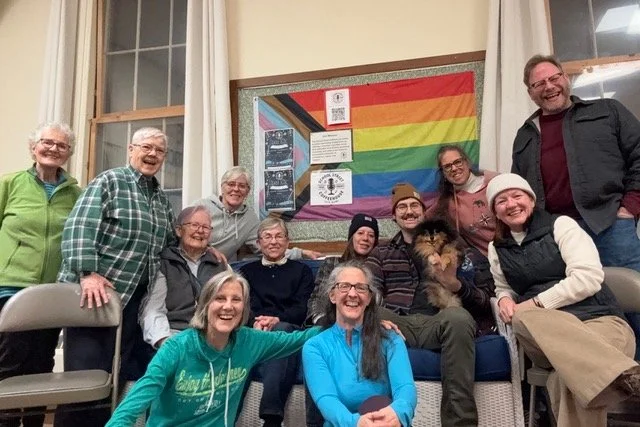
That is the resurrection we experience here:
Not the end of the struggle.
Not a sudden victory.
BUT: not alone.
The return of the capacity to hope.
The return of the will to love the world.
The resurrection…UU style.
Channing would have recognized this.
He believed the sacred lives not in supernatural rescue, but in the awakening of our moral and spiritual powers—especially in community.
He wrote:
"We are to become what we are capable of becoming by the faithful use of our powers."
And by the way…not by grand gestures alone, but in community with one another:
By showing up.
By refusing to let the soul grow numb.
By doing the next loving thing.
Just like the women going to the tomb.
They were not looking for resurrection.
They were bringing spices.
They were showing up in love.
They were doing their next loving thing after great loss.
And that is where the stone was already rolled away.
There is a question in the Easter story:
"Why do you look for the living among the dead?"
Why do we look for hope only in outcomes we can measure?
Why do we believe that if we cannot fix everything, nothing matters?
Why do we assume the future is sealed?
Channing spent his ministry insisting that the human soul is never finished, and that no system, no despair, no moment in history can cancel its capacity for growth.
The worst thing that happened to you—or the worst thing you did—is not the last thing, and it does not define you.
Resurrection!
This is the Easter message for us in this political moment:
Hope is not a prediction.
Hope is a practice.
Resurrection is not a victory speech.
It is the decision to keep loving the world.
To keep showing up.
To keep rolling away the stone—together.
To keep taking the first step toward liberation, even when we don’t know where our foot will fall.
And that is how it happens.
Not all at once.
But slowly.
Like green shoots through frozen ground.
Like a tired person at a folding table with a pen in their hand, remembering that their voice still matters.
Like a congregation that keeps gathering, keeps singing, keeps acting, keeps loving—even when the outcome is uncertain.
The story ends in a garden, not the tomb.
With someone being called by name,
and turning toward life again.
We are being called:
Not into certainty,
But into possibility.
Not into easy answers,
But into faithful becoming.
Because we are beings made for growth.
Made for love.
Made for rising.
So roll away the stone.
Not all at once.
Just enough to let hope breathe again.